Hello bushcarers and volunteers,

Welcome to the September 2026 edition of The Bushcare Bugle by CCPP, your monthly e-news updates from Brisbane City Council’s Habitat Brisbane and Creek Catchments teams.
Group Leaders - please forward this email to the volunteers in your group.
If you received this via your Bushcare Group Leader, you can also subscribe below and we’ll send future editions to you directly! Its free and you can unsubscribe at any time.
“Spring is the time of plans and projects” - Leo Tolstoy
While September does signal the official start of Spring in Australia, this year you could be easily excused for thinking we’d skipped a season altogether and gone straight to Summer! The high temperatures and lack of rain so far have put a damper on much of the expected Spring growth. And with the prospect of a “super el Nino” ahead, the next few months may well be a better time for planning than planting!
When even the weeds aren’t growing much, it’s a good chance to catch up with your HB or Creek Catchment Officer and discuss the best way forward for restoration works at your site. Developing long-term goals, and some milestones to achieve along the way, can help guide your activities and help answer that perpetual question of “what should do we do this working bee?” And pre-emptively identifying and scoping out those “big” projects that are beyond the everyday bushcare budget can be a great head start when grants or other unexpected funding opportunities arise.
A big thanks to those 100 plus HB group leaders who have already returned their annual surveys. The survey provides us with valuable feedback on the Habitat Brisbane program, as well as input into planning next year’s volunteer training and vital statistics on volunteer hours and effort we use to promote the amazing value bushcare volunteers provide to the city. If you haven’t responded yet, the survey officially closes this Sunday, 27 Sept. However there’s chance we may keep it open a little longer… but not forever! We look forward to seeing your response - it’s well worth the ten minutes of your time!
We always welcome contributions to the newsletter, so if there’s something your bushcare group or creek catchment would like to share with the wider network, simply email us at habitat.brisbane@brisbane.qld.gov.au
Happy reading! 😊
In this edition
Humans of Habitat Brisbane - Chris Turnbull
WHS: Eye Safety
Bushcare Basics: Planning ahead for hot weather
Workshop Wrap-up
Upcoming events in 2026
CPR and First Aid training
iNaturalist update
Weed of the month - Castor oil plant, Ricinus communis
Information, news and resources
Humans of Habitat Brisbane
Chris Turnbull - Clarina Street Park Bushcare Group - Group Leader
Many of us who spend time caring for the environment can relate to Chris Turnbull’s favourite quote from naturalist John Muir: “I only went out for a walk and finally concluded to stay out till sundown, for going out, I found, was really going in.”
With all that is going on in the world, it is worth remembering that there are many of us, like Chris, who find grounding and purpose in nature.
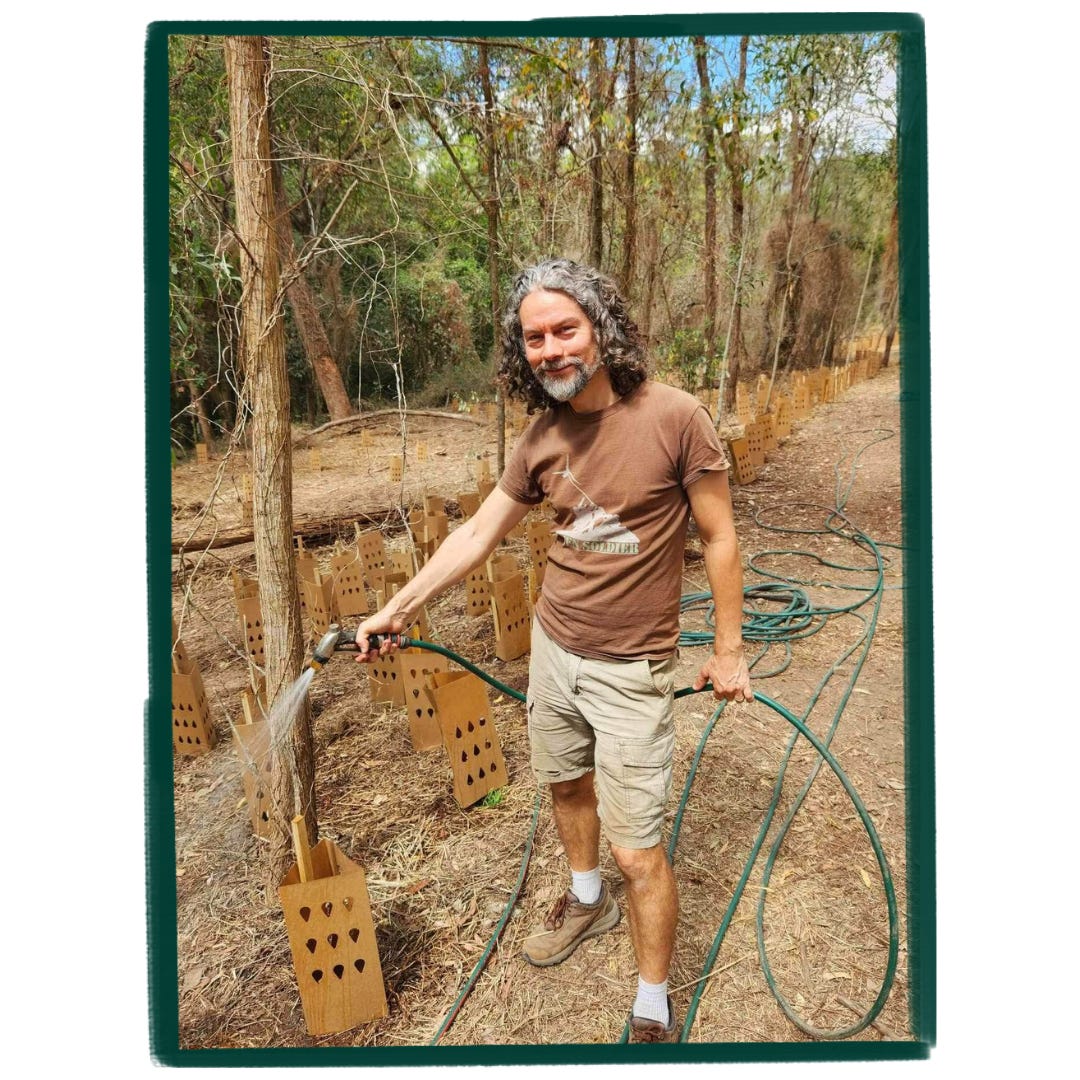
After joining Habitat Brisbane in 2020, Chris took on the role of Group Leader of Clarina Street Park Bushcare Group just one year later, seeing the importance of continuing a legacy from a bushcare group with over 20 years of history.
“I value having significant tracts of healthy native habitat in suburban Brisbane. I also had a fair idea I would ‘find my tribe’ being other lovers of nature who understand its value is really necessity.”
As a Group Leader, Chris is a regular sight at his bushcare patch: deciding on the month’s activities and spending more time in between working bees not just to check on progress, but the habitat being restored. “Often, I will simply explore to observe and learn about the interactions between plant, animal and fungi species.”
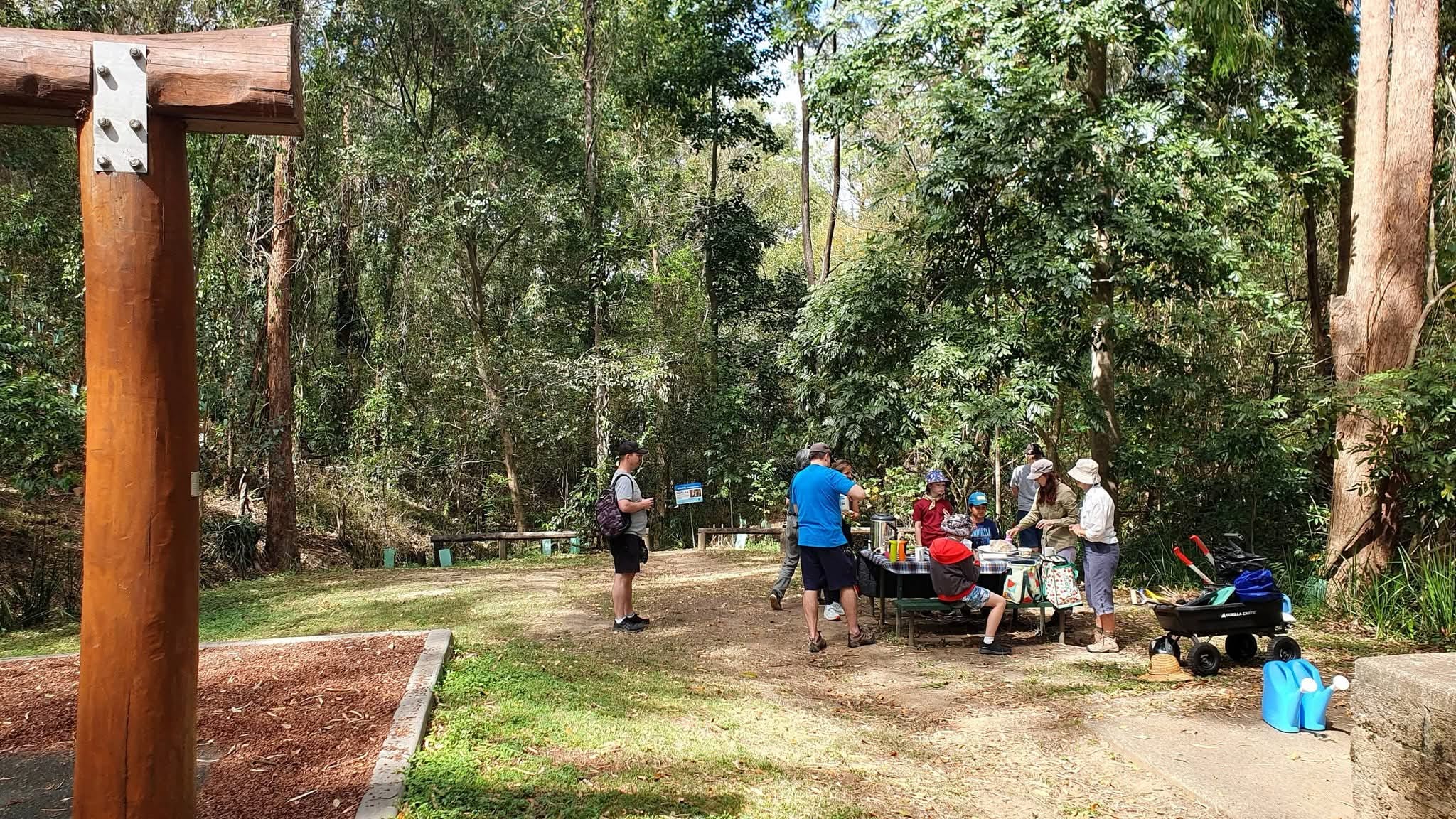
Chris is also quick to acknowledge the many people who contribute to the group’s success. As he puts it, there are many hands supporting his role as Group Leader: from Habitat Brisbane staff, Ineke and Nadia, who assist with planning and resources, to invaluable and experienced volunteers like Euclid and his catchment president, Don, who provide advice and guidance. Even his wife and fellow bushcare volunteer, Bernie, plays a key part, keeping everyone fuelled with her popular homemade cakes.
As you might have guessed, time in nature is a key component for Chris in many aspects of his life. An avid beekeeper and bushwalker, even holidays are planned with the natural world in focus.
For Chris, a standout moment took place three years ago during their largest community planting event, where over 30 people planted over 500 native species. “This was six months’ worth of normal planting for us. Two and a half years later, it is flourishing and now a challenge to walk through, such is the revegetation progress.”
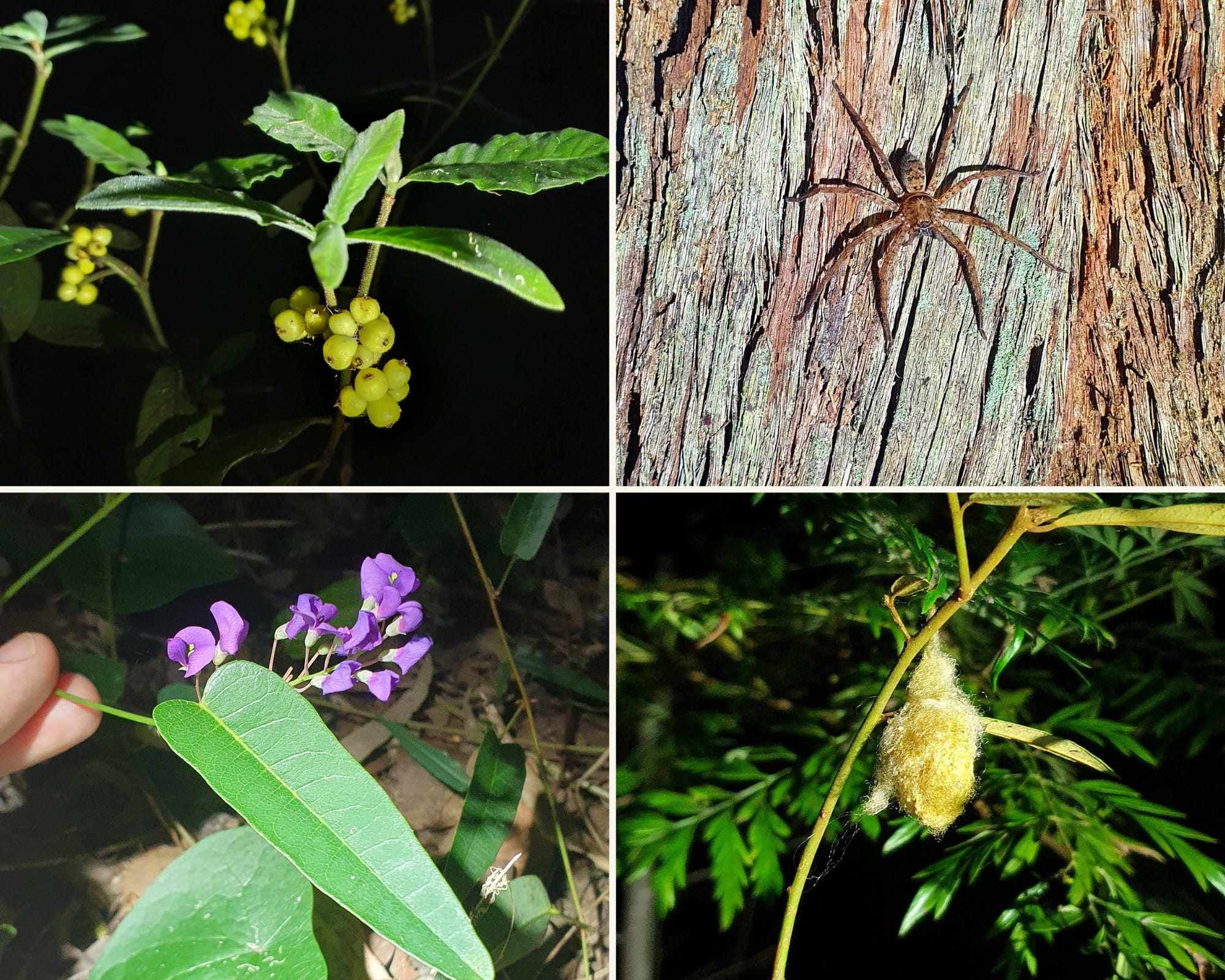
So what motivates Chris to dedicate his time to bushcare year after year? “I am continually learning, seeing a new bird or insect for the first time. It increases my appreciation for our patch and motivation to build its health. And when I see plants I helped raise next to older specimens of the same plant, I’m reminded that now is just one end of a long tapestry from volunteers that toiled here since long before I joined the neighbourhood.”
Thank you, Chris, for your dedication and passion for your bushcare group and our local environment. Your efforts and appreciation of all that share this world are both inspiring and an important reminder of the beauty and interconnectedness of the ecosystems we are privileged to care for.
If you have a story you would like to share, please contact Habitat.Brisbane@brisbane.qld.gov.au.
WH&S: Eye Safety
At CCPP, we are always keeping an eye out for you. Which is why this month we are shining a spotlight on eye safety.

Eye injuries are one of the most common workplace injuries and as a bushcare volunteer, there are a number of potential hazards that you may encounter on a working bee (we’re looking at you, Lomandra).
The best way to protect your eyes is to wear personal protective eyewear that is appropriate for the task/s you are performing.
If you’re a Habitat Brisbane volunteer in need of a pair, Group Leaders can contact their Habitat Brisbane Officer to arrange safety glasses for their bushcare groups.
If you’d prefer to purchase your own, consider low-impact safety glasses with side protection for added coverage.
Bushcare Basics: Planning ahead for hot weather
A strong El Niño is forecasted for Australia’s spring and summer, bringing an increased risk of above-average temperatures coupled with below-average rainfall.
While it is worth noting that not every weather event is the same and there is always variability in how it will behave, it is wise to err on the side of caution.
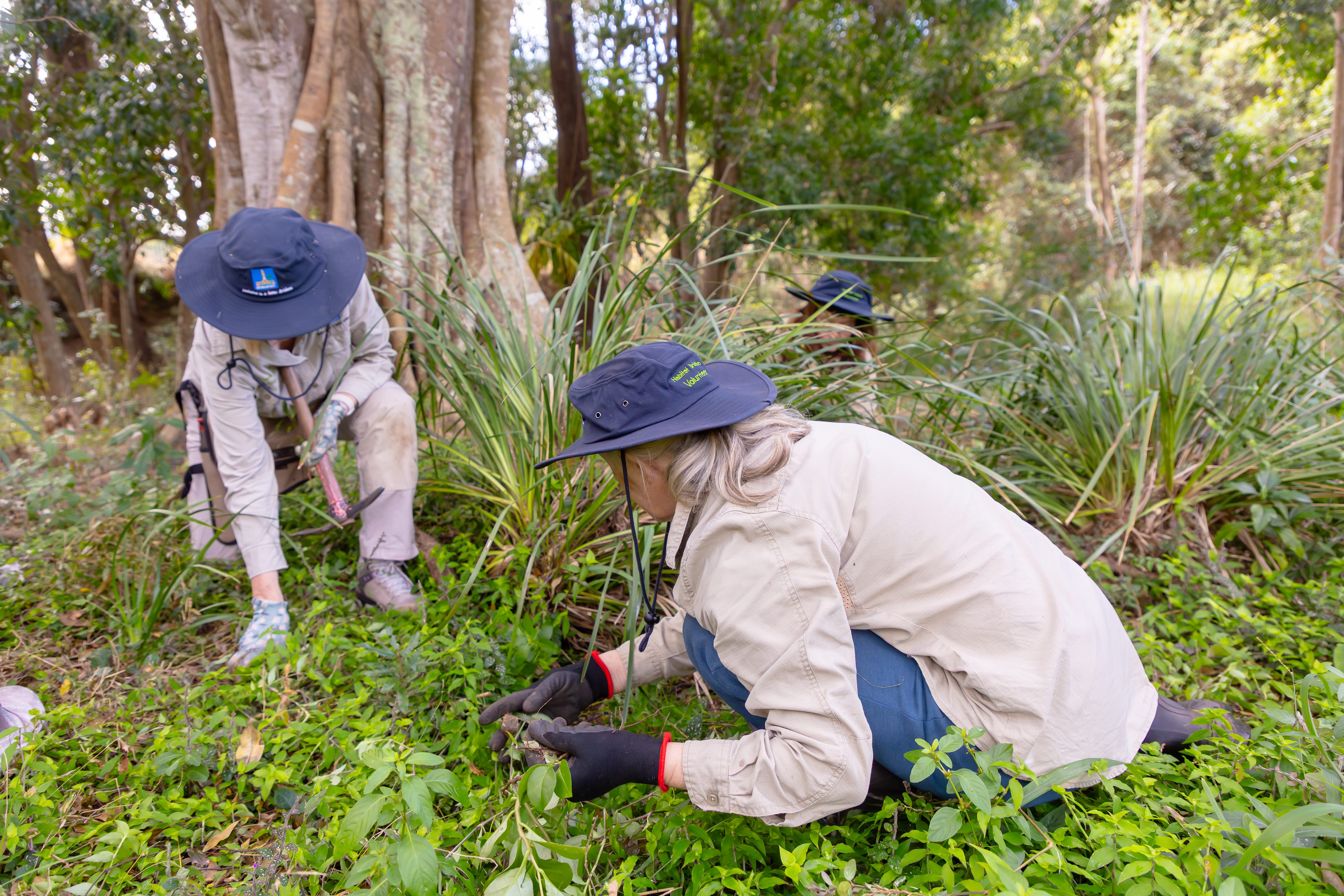
Planning for your bushcare site
Spring and summer tend to be high growth periods for many plant species, but anticipated hot temperatures and dry periods may have some knock-back effects.
As we head into the warmer months, now is a good time to pause and consider some different management strategies for your site.
Here are some practical and alternative tasks you can consider:
Scale back on planting and focus on targeted weed management
Plan a strategic and effective watering schedule
Do a stocktake of your tools and equipment
Spend time recording flora and fauna species seen or heard on iNaturalist
Brush up on your plant ID skills*
Brainstorm a social media plan for the new year*
Write good news stories - share the great things your group achieves in your local community, we’d love to include it in our newsletter!
*see our workshop wrap-up below for some resources
Planning for your safety
They don’t call us the Sunshine State for nothing! High UV rays, temperatures and humidity are part and parcel of a Brisbane summer.
Your safety is our top priority. Please consider the following when heading out on site:
Wear appropriate PPE for sun exposure: wide-brimmed hat, long-sleeved shirts, long pants, sunglasses and sunscreen.
Map out and plan for site work that offers suitable shade cover.
Consider shifting working bee hours to early morning or late afternoons.
Cancel or reschedule working bees when the forecast is for extreme heat conditions.
Manage your pace and take frequent breaks.
Stay hydrated! Drink plenty of water and use Hydrolytes to assist with hydration.
Look out for signs of heat stress - please refer to this Qld Government webpage that details signs and symptoms of heat-related illness.
If you have any questions or concerns, please reach out to your Habitat Brisbane or Creek Catchments Officer.
Workshop Wrap-ups
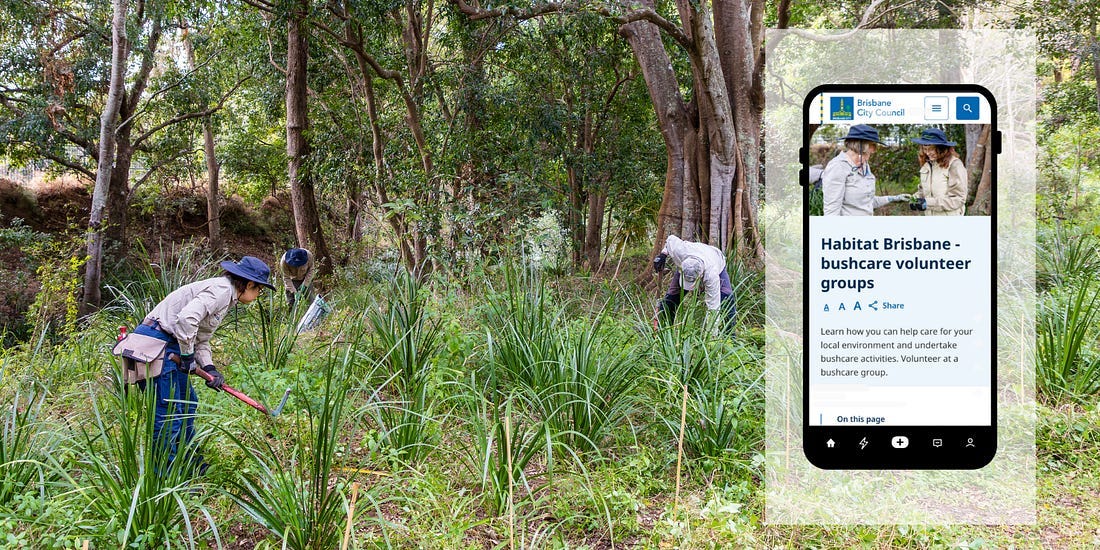
A big thank you to all our volunteers who attended workshops over the last two months. Please see below for a brief wrap-up and links to resources.
If you missed a workshop, don’t worry. We will be offering them again in 2027!
Botany for Beginners
Aimed at bushcare volunteers with no prior botanical knowledge, this workshop held on Sunday 16 August introduced participants to the basics of botany and identifying common flora that we interact with every day, through noticing patterns and appreciating form.
Please see links below to online keys and ID guides:
Queensland Herbarium (scroll down to the section ‘Online Tools’)
Weed ID for Bushcare
Offering a solid starting point to weed identification, this workshop held on Sunday 30 August is designed for new volunteers in mind, providing a great introduction to the process of using a key to identify weeds.
The workshop also delved deep into some of those tricky 'false friends' that exist in Brisbane - exploring the key differences between weeds and natives that look very similar. Even seasoned volunteers found the session valuable, with helpful tips and updates to sharpen their field knowledge.
Here are some links to useful online resources shared:
Making the most of social media for bushcare
This online workshop held on Tuesday 15 September with Wombat Creative explored how to creatively use social media to promote your bushcare group and connect with your local community,
Participants left with tips and tools they could use straight away to create genuine and engaging content.
You can find the workshop booklet and resources via the following link: Social Media Resources for Grassroots Groups.
Upcoming events
Brisbane BioBlitz - 26th and 27th September
Brisbane City Council have partnered with Griffith University to roll out BioBlitz events where nature enthusiasts of all ages can help discover and record local wildlife.
Observations will contribute valuable data to real biodiversity research. Whether you’re a seasoned naturalist or just curious about your local environment, this hands-on citizen science event is a great way for the whole family to connect with nature, don’t miss it!
Please note: You do not need to participate for the whole day. When you register, you may indicate your preferred starting time and number of hours.
Date & time: Saturday 26 September to Sunday 27 September, from 7am to 5pm.
Location: Karawatha Forest Park and Discovery Centre, 149 Acacia Rd, Karawatha QLD 4117.
Bookings: Required. Please visit our What’s On page for more information.
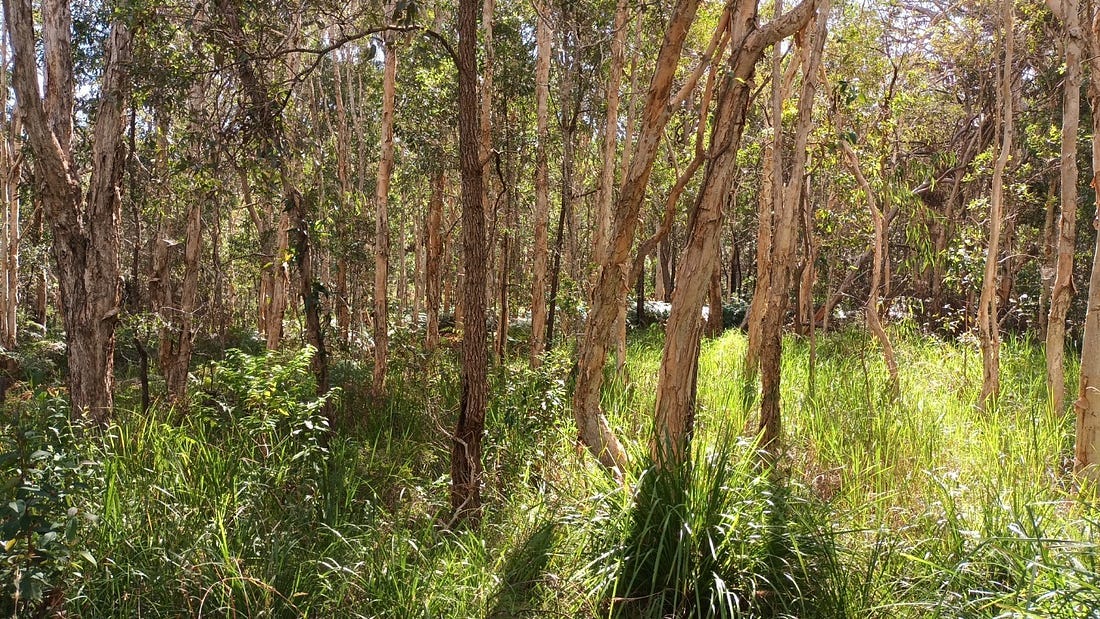
Bushcare Open Day - Dowse Lagoon Bushcare Group - Saturday 24th October
We’re all familiar with our own bushcare sites, but have you ever wondered what happens on someone else’s patch?
Join us on a ‘walk and talk’ as we stickybeak at the successes and lessons learned by the Dowse Lagoon Bushcare Group.
And early birds - human and avian - can join us prior to the Open Day event for an early morning birdwalk at Dowse Lagoon led by experienced birders from Birds Qld and the bushcare group.
There will be a chance to catch up with friends, old and new, over a cuppa and a biscuit at the end of the event.
Date & time: Saturday 24th October, 9am - 11am (or 7am if you are joining the early morning birdwalk).
Location: Meet at the bird viewing platform at the southern end of the lagoon. Access and parking off Hoskins Street/Keogh Street, Sandgate.
Bookings: Required via Eventbrite.
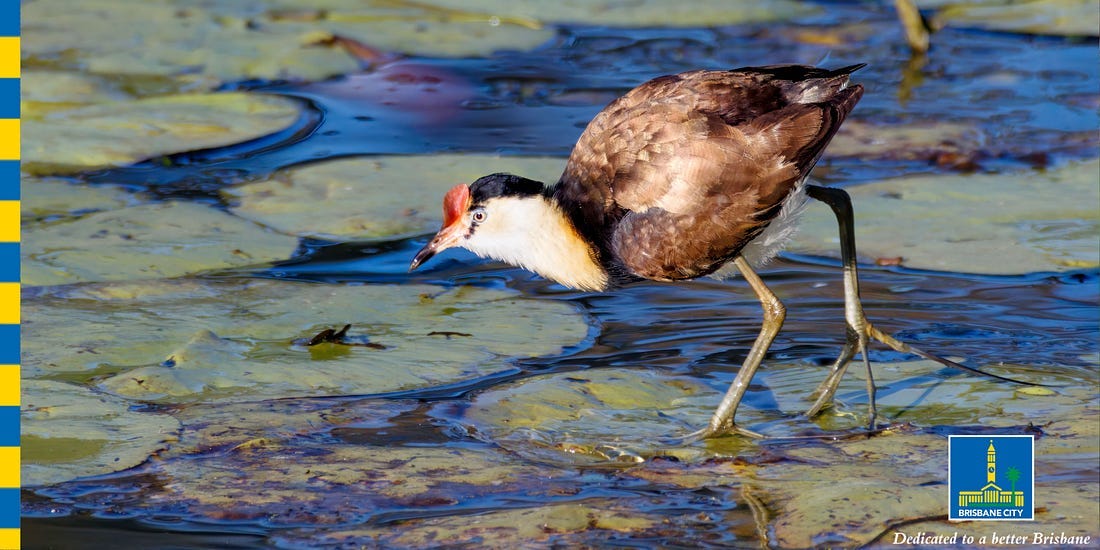
Wildlife Matters Webinar Series - various dates from October to November
The Wildlife Preservation Society of Queensland (WPSQ) are thrilled to announce their brand-new webinar series, Wildlife Matters: Conversations for a Changing Queensland, sponsored by Brisbane City Council.
Across three sessions, we’ll bring together experts, practitioners, and community voices to explore the current issues and discussions shaping conservation in Queensland today.
Each session is free to attend and open to anyone passionate about protecting our wildlife and landscapes, or eager to learn more!
Date & time: From 22nd October to 18th November. Each online session runs for 1 hour.
Location: via Zoom.
Bookings: Registration is now open via the WPSQ website.
CPR and First Aid training
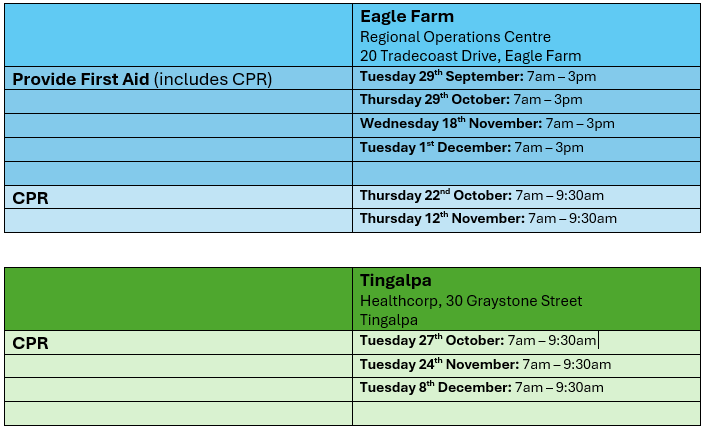
Every bushcare group should have at least one regular volunteer who is first aid qualified. First aid qualifications should be renewed every three years, with CPR training refreshed annually. Habitat Brisbane provides opportunities for group leaders or volunteers to get and retain these qualifications, free of charge.
If you’d like to obtain or refresh your first aid qualifications, please view the course options below and contact habitat.brisbane@brisbane.qld.gov.au with the following information:
Course date:
Course name:
Contact number:
Email:
Bushcare Group:
iNaturalist update
As of 23 September 2026, there have been:
36,921 observations of 3,546 different species recorded on Habitat Brisbane bushcare sites
73,999 observations of 3,563 different species recorded on Creek Catchment Group sites
Our reptilian friends are on the move with the weather warming, with a recent observation of a White-crowned Snake (Cacophis harriettae) in an inner-northern suburb.
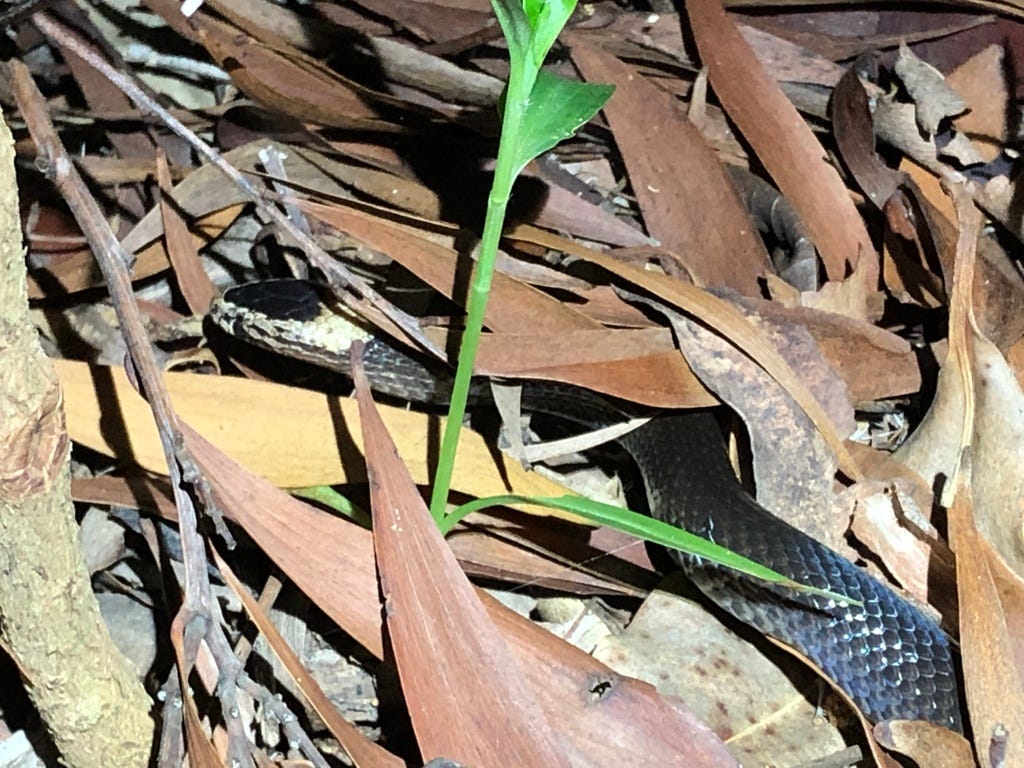
Widespread across Brisbane including urban areas, it is described as a secretive snake that likes to shelter during the day in moist conditions under logs, rocks, leaf litter, and compost heaps; preying on diurnal lizards sleeping at night and their eggs.
As the name suggests, this species features a broad white band across its nape, with a glossy black head and dark grey to almost black body above and below, reaching a length of up to 50cm.
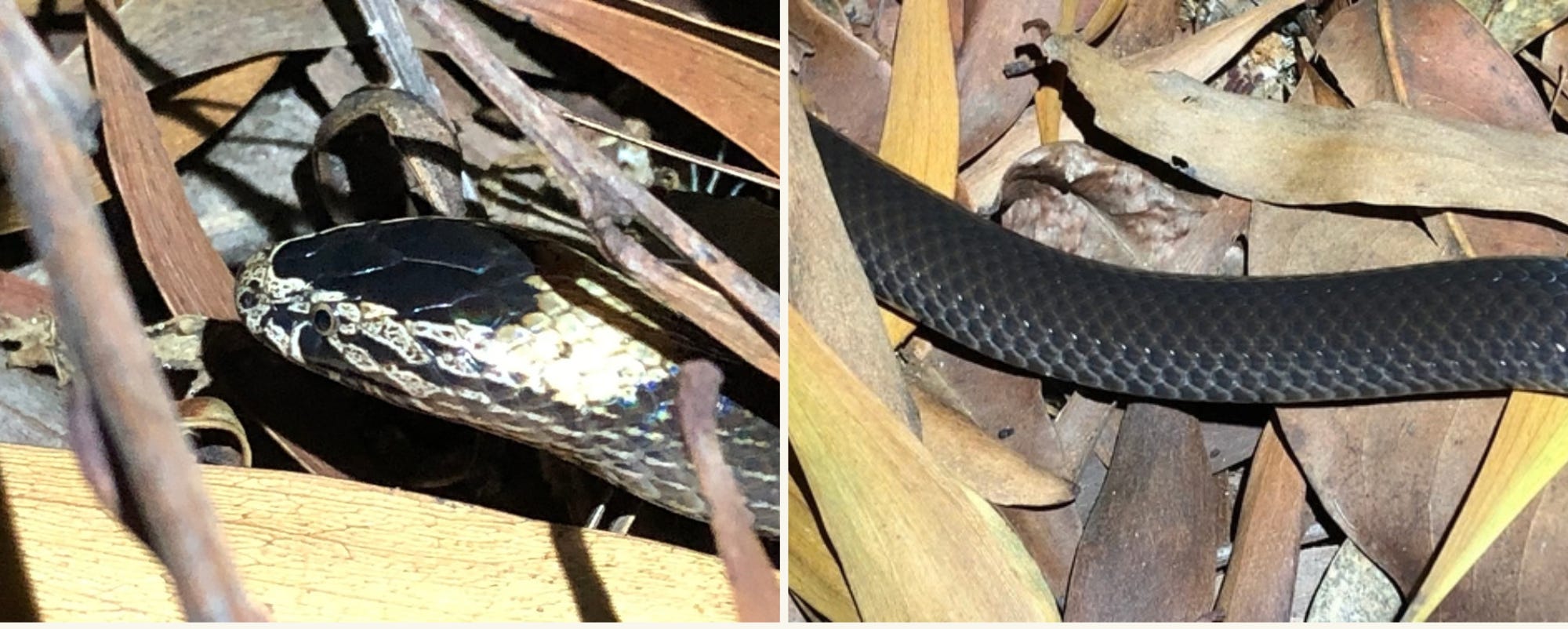
They are mostly harmless, however are known to be ‘reluctant biters’, rearing their head and forebody and lunging when provoked, so caution is still advised.
Although the return of warm weather leads to an increase in snake activity, anticipated hot and dry conditions also mean snakes will be seeking out cooler microclimates for some respite.
Being ectotherms, snakes rely on external sources of heat to warm themselves, but they too can have their limits.
To stay snake safe, here are a few things to keep in mind when outdoors:
Be aware and always watch where you step and place your hands.
Make vibrations by tapping the ground with a walking stick or walking heavily.
Wear sturdy, covered shoes and long pants.
Be mindful of clutter piles which might be cool hiding spots for sheltering snakes.
In dry conditions, snakes may be on the look out for water. Consider putting out some shallow water dishes and elevate your pets water bowls if you don’t want your furry friend to be surprised by a scaly companion.
Every person who posts observations, adds identifications, and spreads the word about iNaturalist makes a difference for biodiversity. Through your collective efforts, you are making biodiversity data and insights available at an unprecedented scale.
To see what else people are finding on Habitat Brisbane and Creek Catchment sites, simply visit our iNaturalist projects below:
Weed of the month – Castor oil plant, Ricinus communis
Common names: Castor oil plant, African coffee tree, Castor bean, Castorbean tree,
Scientific name: Ricinus communis
Ricinus = the latin word for ‘tick’, supposedly named because of the resemblance of the seed shape to the parasite. The plant also contains a toxin named ‘ricin’.
communis = a latin word meaning ‘common’
It is a monotypic genus, meaning it is the sole species within the genus.
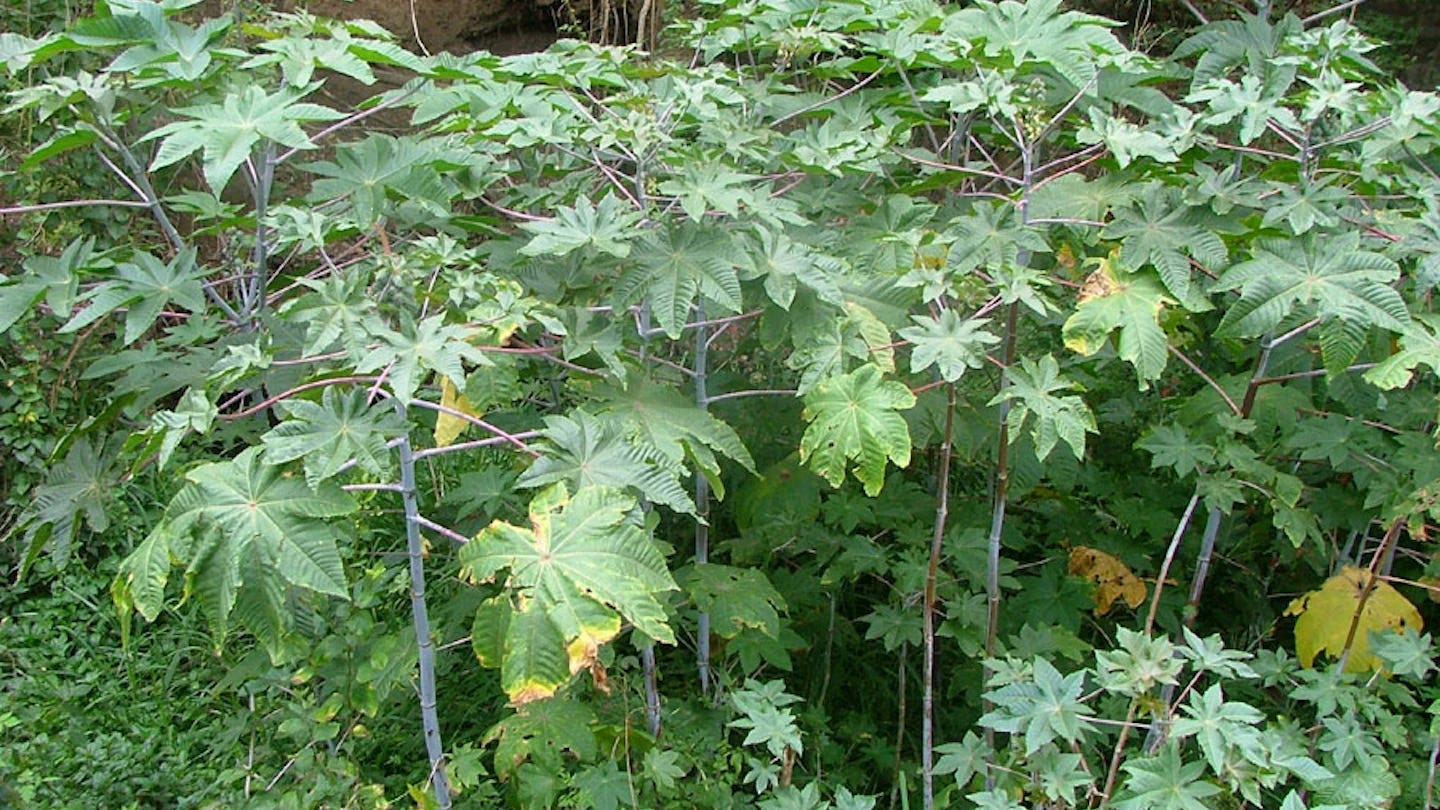
Description: A large and robust perennial shrub often growing 3m or more in height. It has thick, hollow, hairless stems that are generally a grey-ish green colour but can have a reddish tinge. Alternating leaves are born on long petioles (stalks) of up to 30cm long, that attach to the underside of the leaf. Leaves feature 5-10 spreading finger-like lobes with pointed tips: each one has a prominent vein running down the centre and margins are finely toothed. Leaf colour can vary: young leaves are often dark red or purplish, while older leaves are green/bluish-green,
Flowers: Large, elongated flower clusters between 8-15cm produced near the tips of the branches. Male and female flowers are on together on stalks (see image below). Flowers occur all year.
Fruit & seeds: Fruit are rounded / egg-shaped and are slightly three-lobed. Colour varies from greenish to red in colour when young with soft blunt spines; turning brown as they mature with each segment contained a single seed.
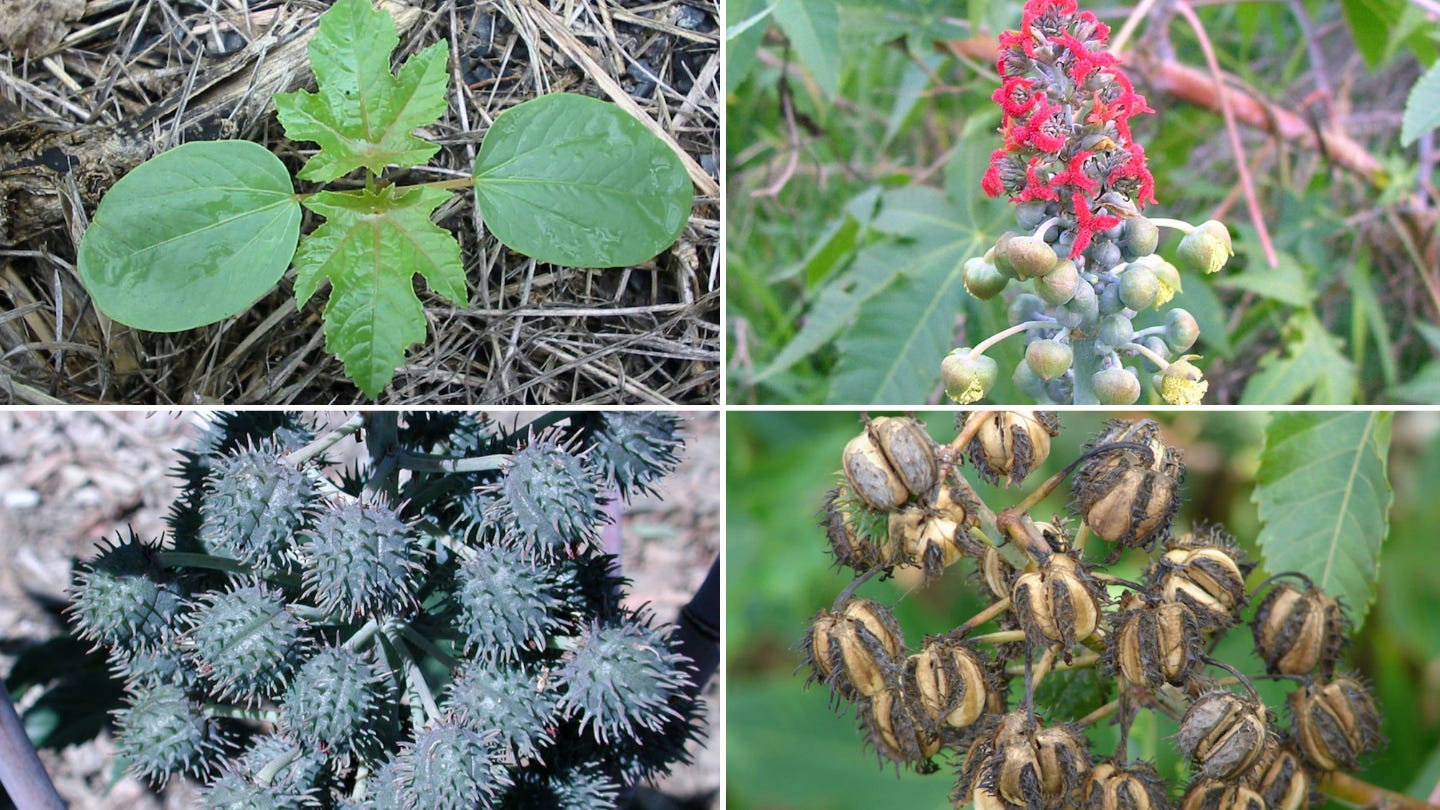
How it spreads: Reproduces entirely by seeds. Seeds are explosively released when the fruit matures. Seeds are also often dispersed by animals, floodwaters and humans when dumping garden waste and soil.
Impact: Native to Africa and Eurasia, Castor oil plant is now a very widespread species. It is regarded as an environmental weed in nearly every state and territory in Australia (except TAS and ACT) and on Christmas Island.
Like many plants in the Euphorbiaceae family, all parts of this species are extremely toxic to humans and animals: flowers, leaves, and especially the seeds.
Ingesting plant material can cause a range of ailments, including vomiting, abdominal pain, and bleeding, and in severe cases, liver damage and life-threatening poisoning.
Irritation can occur from the milky sap touching your skin and temporary blindness may occur if the sap gets into your eyes. During flowering, it can even cause respiratory and eye irritation if you are close by.
Control methods:
Please ensure you are wearing appropriate PPE before handling: gloves, long-sleeved shirts and long pants, covered footwear and safety glasses.
Hand-weed smaller seedlings. Use the Cut and Stump method for larger shrubs.
Small piles of waste can be composted on site. For larger infestations, please discuss with your Habitat Brisbane Officer.
For further information on Castor oil plant (Ricinus communis), please visit the Brisbane City Council Weed Identification Tool.
Information, news and resources
Rakali hunting galahs?! Read new insights into Rakali behaviour in the latest Australian Platypus Conservancy newsletter.
Recent research has revealed that static electricity may play a surprising role in tick attachment, helping ticks move onto passing hosts without direct contact. Read more at this link.
Did you know the Friends of Brisbane Botanic Gardens and Sherwood Aboretum (FBBGSA) have a podcast? Have a listen here.
Become an Echidna detective by downloading the Echidna Detectives Kit Field Guide and Booklet and help contribute to the monitoring of short-beaked echidna populations in SEQLD.
Have you had a chance to peruse the results of the 2025 Southeast Queensland multispecies eDNA project yet? Read more here.
Cheers,
The Habitat Brisbane team
Ari, Bindi, Em, Geoff, Ineke, Jenny, Kate, Ken, Luke, Michael, Nadia, Peter, and Simon.
The Creek Catchments team
Andrew, Brendan, Michael, Sam and Wes.
Senior Coordinator - Community Conservation Partnerships
David.
Infrastructure Services | Public Space Operations | BRISBANE CITY COUNCIL
Email: habitat.brisbane@brisbane.qld.gov.au